The Pursuit of Wellbeing: Understanding the rise of consumer-led wellbeing
Earlier this year, Kantar MONITOR identified that consumer wellbeing is at an inflection point: A growing consumer focus and urgency around wellbeing is colliding with a system that feels increasingly difficult to rely on. Trust in traditional institutions has weakened, costs continue to climb and the systems designed to support health often feel fragmented, hard to navigate or misaligned with personal needs.
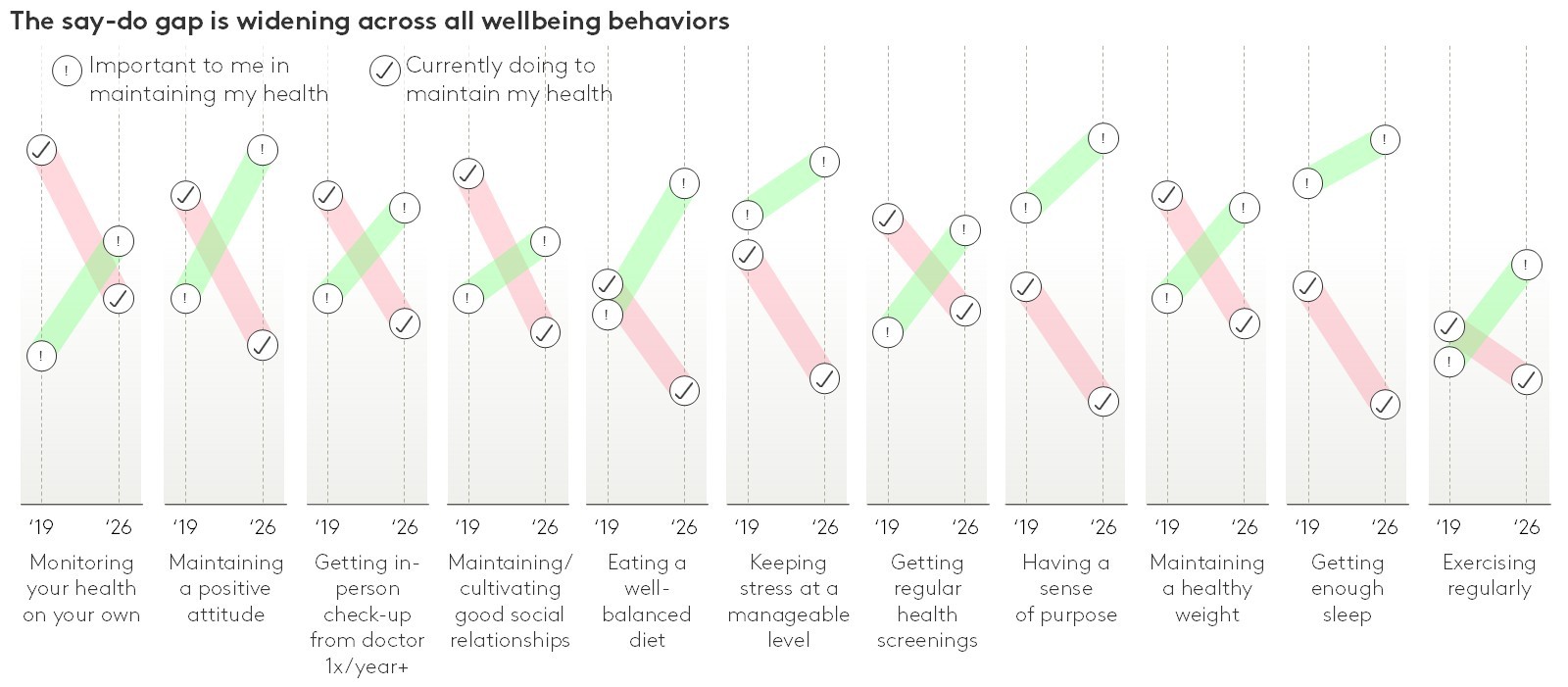
That tension is visible in the widening gap between what people believe is important for their wellbeing and what they feel able to do consistently. Consumers largely know what supports their health—from financial security and sleep to stress management and preventive care—but many are struggling to translate those intentions into sustained action. These say-do gaps reveal more than a health behavior challenge: They point to a deeper strain around affordability, trust, time, technology and control.

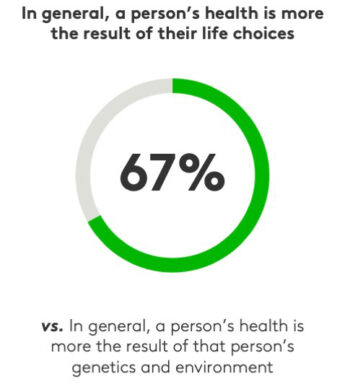
Faced with rising costs, growing uncertainty and diminishing trust in traditional institutions, Americans are increasingly taking wellbeing into their own hands. What’s emerging is not simply a shift in health behavior, but a broader transformation in how consumers think about responsibility, agency and support. Understanding this shift toward an era of consumer-led wellbeing is at the heart of Kantar MONITOR’s Pursuit of Wellbeing study.

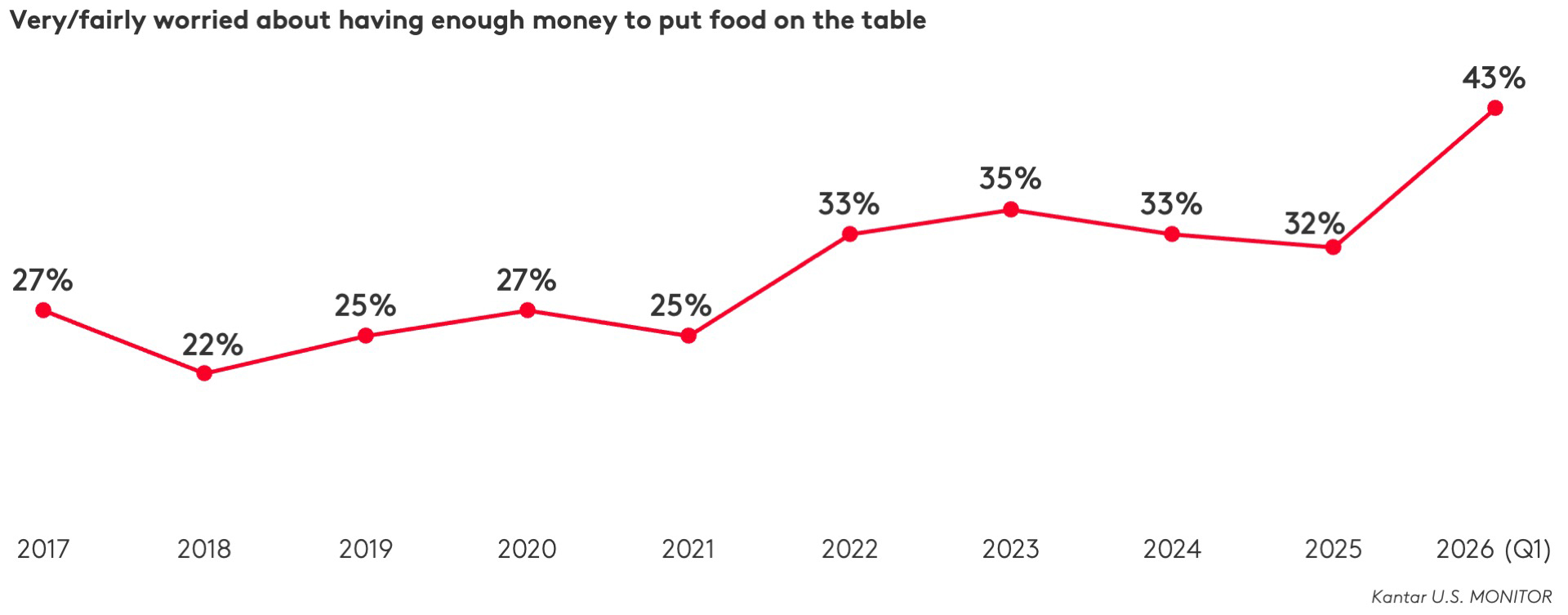
With rent, groceries, and basic expenses already stretching most budgets, wellbeing isn’t something people can approach ideally—it’s something they’re constantly negotiating.
– LA Streetscaper
Our research reveals that the search for control is reshaping how people seek guidance, navigate care, evaluate information and make tradeoffs in pursuit of feeling well. Affordability is a major part of that equation. As health and finances become increasingly intertwined, wellbeing is shaped by what consumers can afford. Financial pressure is not pushing people away from wellbeing, but it is making them more selective, self-directed and open to alternatives. Consumers are reassessing which products, services and sources of support truly deliver value, while becoming more willing to delay, substitute or work around traditional pathways when those options feel inaccessible or out of reach.
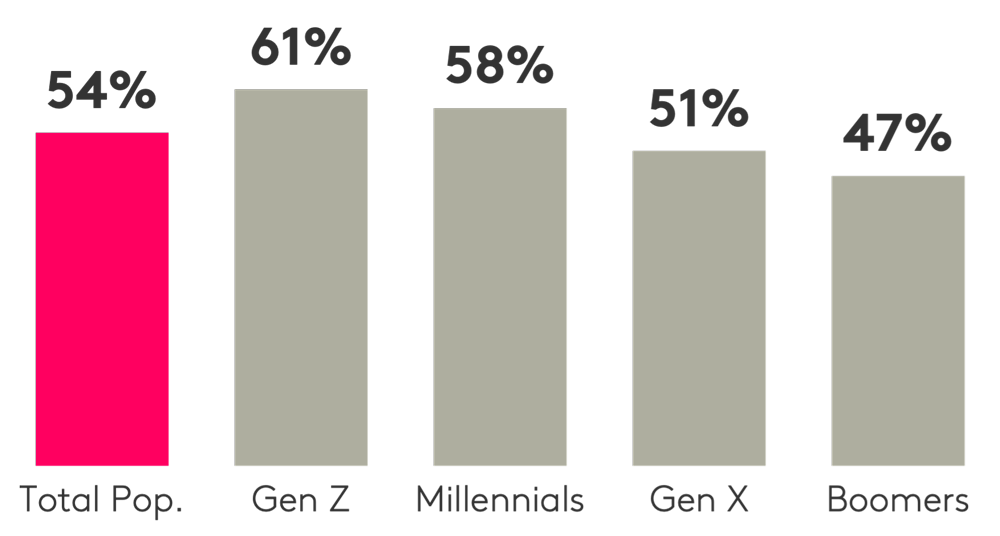
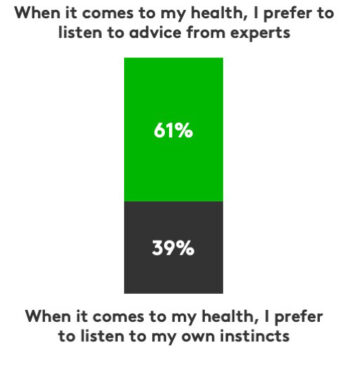
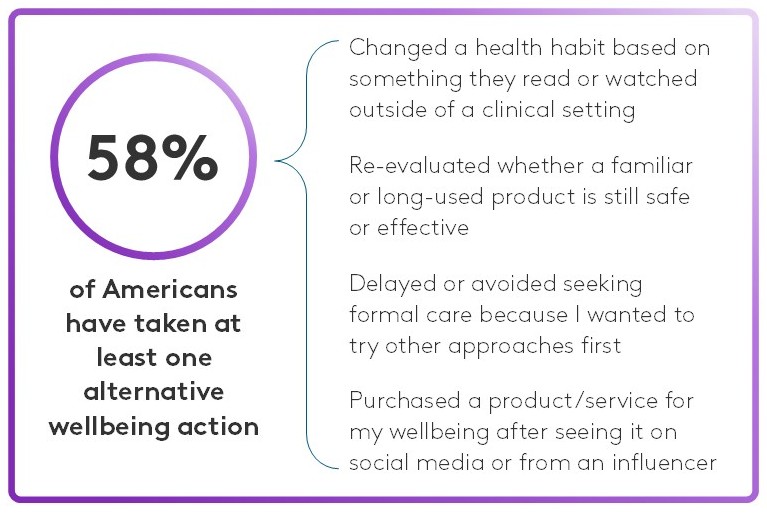
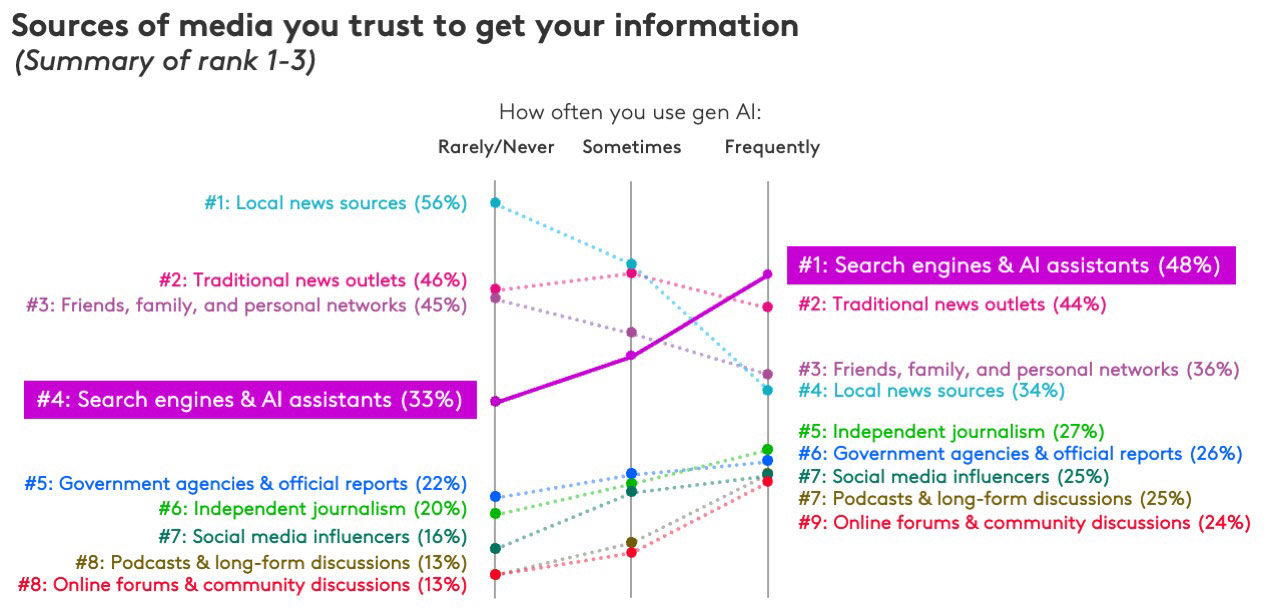
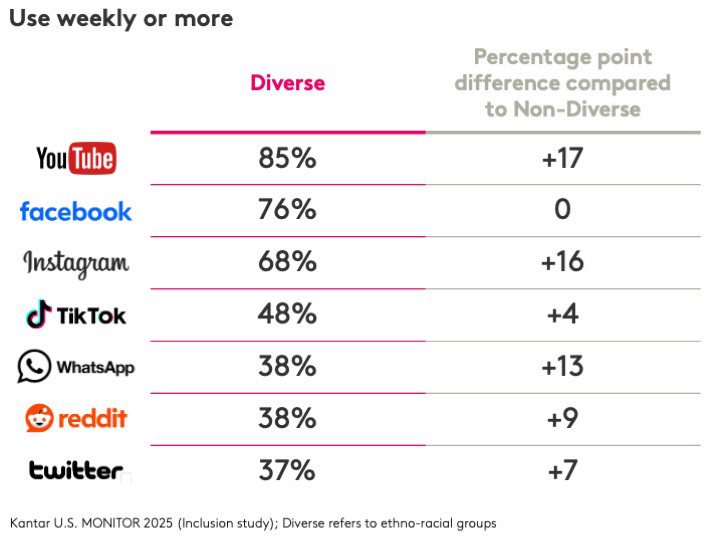
As consumers search for ways to close the gap between intentions and action, another shift is taking place in how they make wellbeing decisions. Rather than relying on a single trusted authority, many are navigating a fragmented landscape of information, advice and expertise. Healthcare professionals remain important, but their value now exists alongside that of digital tools, social media, online communities, wellness influencers and personal experience. In fact, 58% of Americans have taken at least one alternative wellbeing action in the past six months, signaling a growing willingness to look outside the system for input and guidance. Consumers aren’t abandoning expertise but are triangulating between multiple sources before deciding what to trust.

In Atlanta, trust around wellbeing information has become more fragmented and personal, with people blending institutional advice with community and digital sources … people tend to cross-reference rather than rely on a single source.
– Atlanta Streetscaper
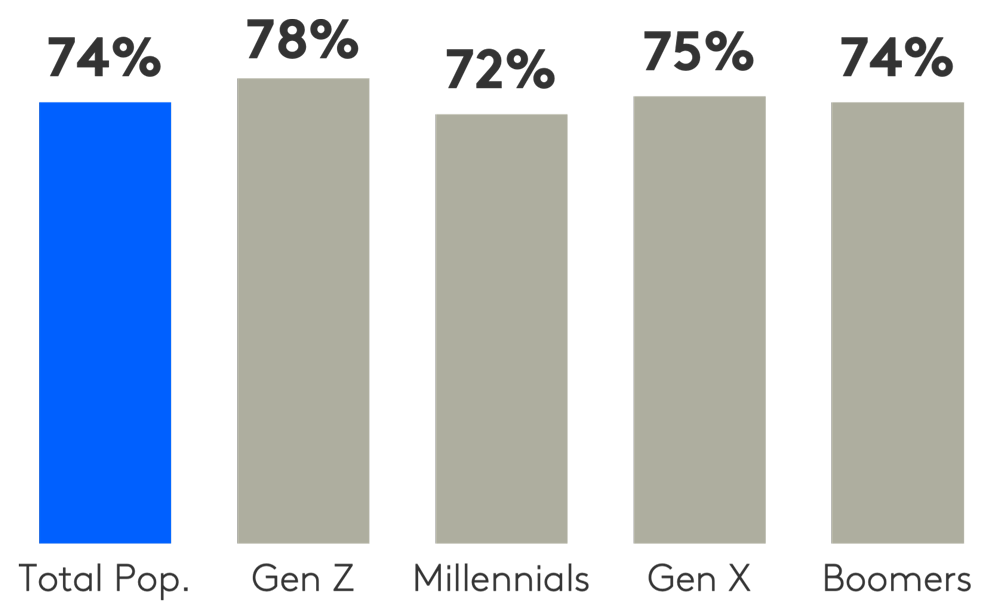
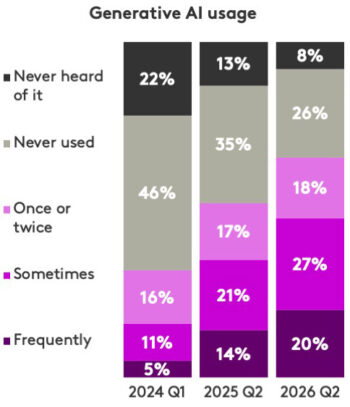
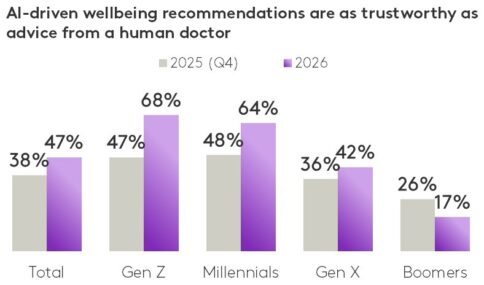
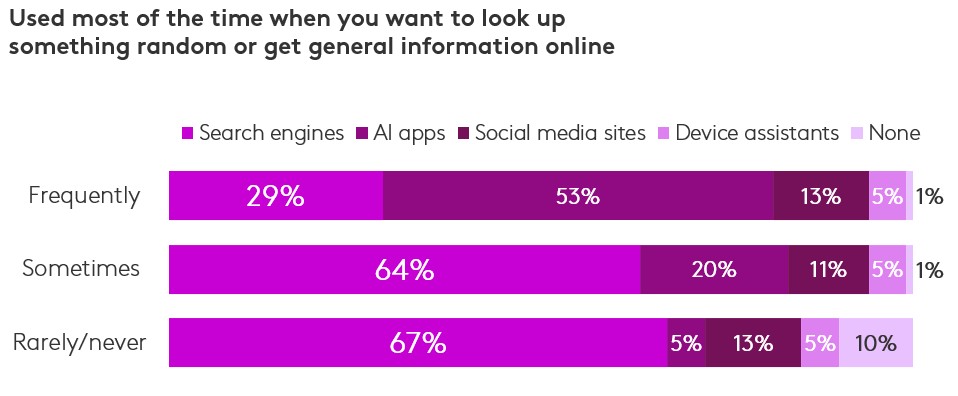
That same dynamic is creating space for new tools to play a role in the pursuit of wellbeing. As people seek more personalized, immediate and accessible forms of support, artificial intelligence is becoming a popular tool for gathering and deciphering information, exploring options and weighing advice. In just six months, trust in AI as a wellbeing advisor has increased across nearly every generation, underscoring its growing role in the wellbeing ecosystem.
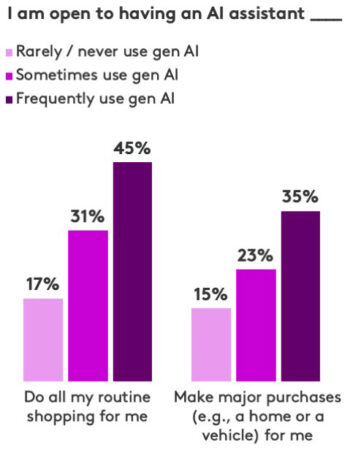
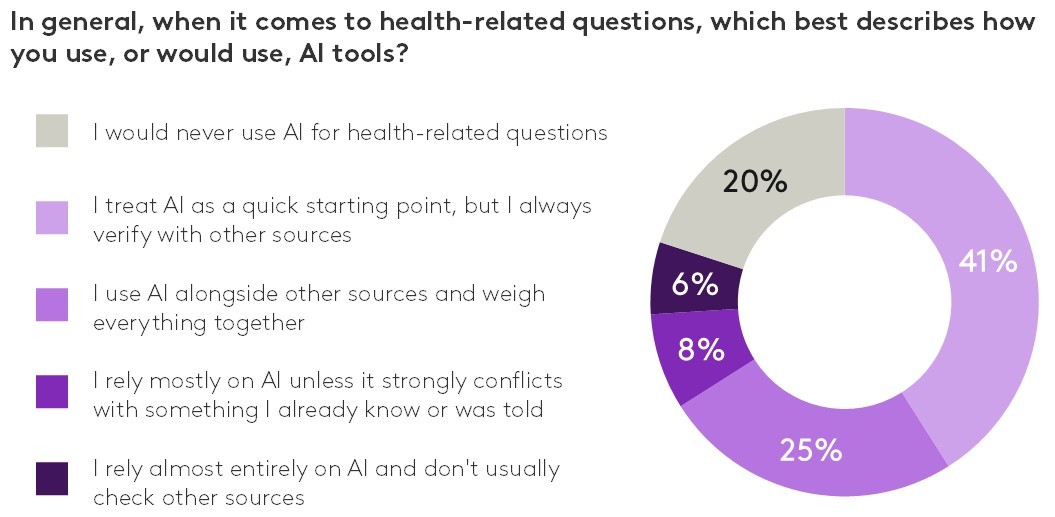
Yet consumers are not looking to AI to make decisions for them. The most common approach is to treat AI as a starting point that informs further research and evaluation, reflecting a broader shift toward more active and self-directed decision-making. In a wellbeing landscape where consumers are already piecing together advice from multiple sources, AI is emerging as another input in the process—helping people make sense of information, reduce uncertainty and move closer to action.
As wellbeing becomes broader, more personalized and increasingly consumer-led, understanding how consumers pursue wellbeing on their own terms is becoming critical for organizations seeking to remain relevant. Wellbeing is no longer a category, but a cultural lens through which consumers evaluate products, services, experiences and brands. In this environment, helping people feel capable, supported and in control may matter as much as the outcome itself.
For brands, the implications extend far beyond healthcare. Whether operating in financial services, food and beverage, technology, beauty, retail, hospitality or consumer goods, organizations increasingly play a role in consumers’ broader pursuit of wellbeing. The brands best positioned to succeed will be those that reduce friction, simplify decision-making and help consumers make progress toward wellbeing in ways that feel realistic, accessible and sustainable.
Explore the Full Pursuit of Wellbeing Report
These shifts and more are explored in depth throughout Kantar MONITOR’s Pursuit of Wellbeing report, which examines seven interconnected themes shaping the future of consumer wellbeing:
- Wellbeing Landscape — How rising expectations and growing pressure are shaping consumers’ wellbeing today
- Trust Dynamics — The evolving sources of influence, expertise and credibility in wellbeing decision-making
- Finances x Health — How affordability and financial pressures affect consumers’ wellbeing choices
- Care Ecosystem — How consumers are navigating beyond the traditional doctor-first model of care
- Connected Wellbeing — The growing role of technology and digital tools in everyday wellbeing
- AI Evolution — The opportunities and challenges created by artificial intelligence in the wellbeing space
- Wellbeing Off Script — How consumers adapt their wellbeing practices when life inevitably gets in the way
You can purchase the full report to access deeper consumer insights, strategic implications, quantitative findings and cultural commentary on the future of consumer-led wellbeing.