The Maverick Mindset: Why American consumers are going their own way

For much of this decade, American life has been defined by two things: volatility and a turn toward the self. Confronted by constant uncertainty, consumers have increasingly centered their lives around “I,” “me” and “my.” They are spending more time alone, placing greater emphasis on self-care and self-reliance, and giving themselves permission to put “me” before “we.”
But that selfward turn is now evolving. It is becoming less a frame of reference and more a plan of action. The question is no longer simply, “What matters to me?” It is “What do I need, what works for me and how can I make it happen on my own?”
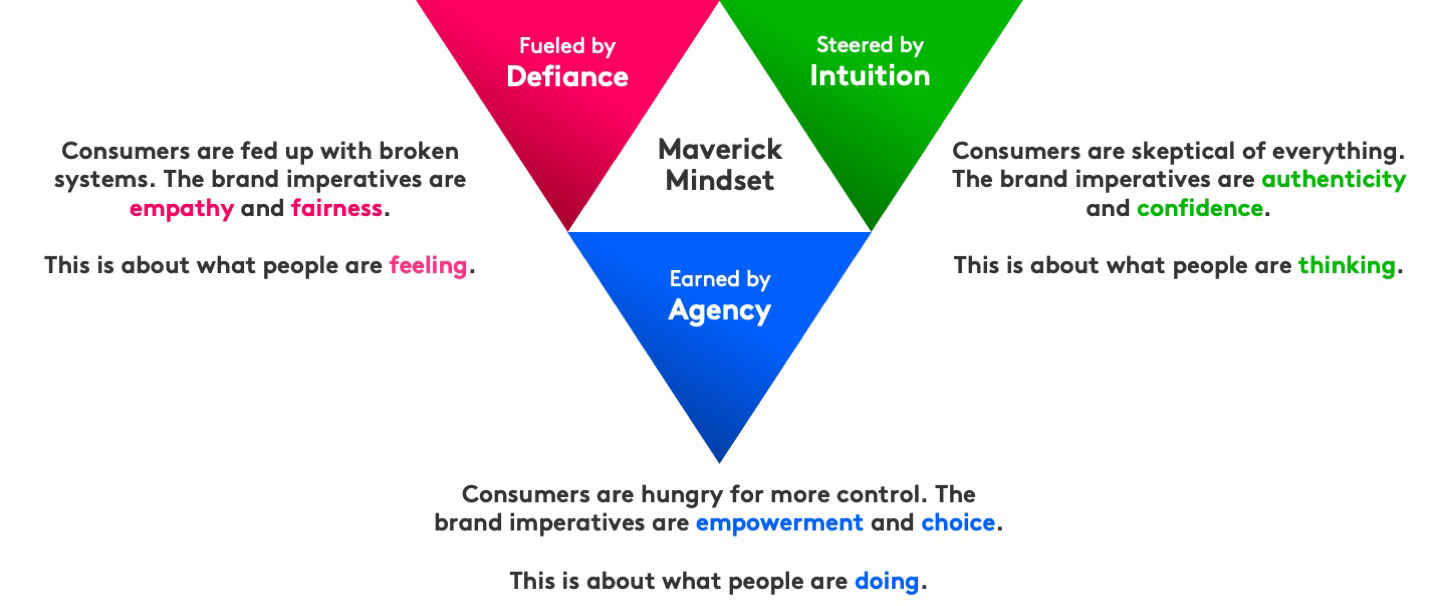
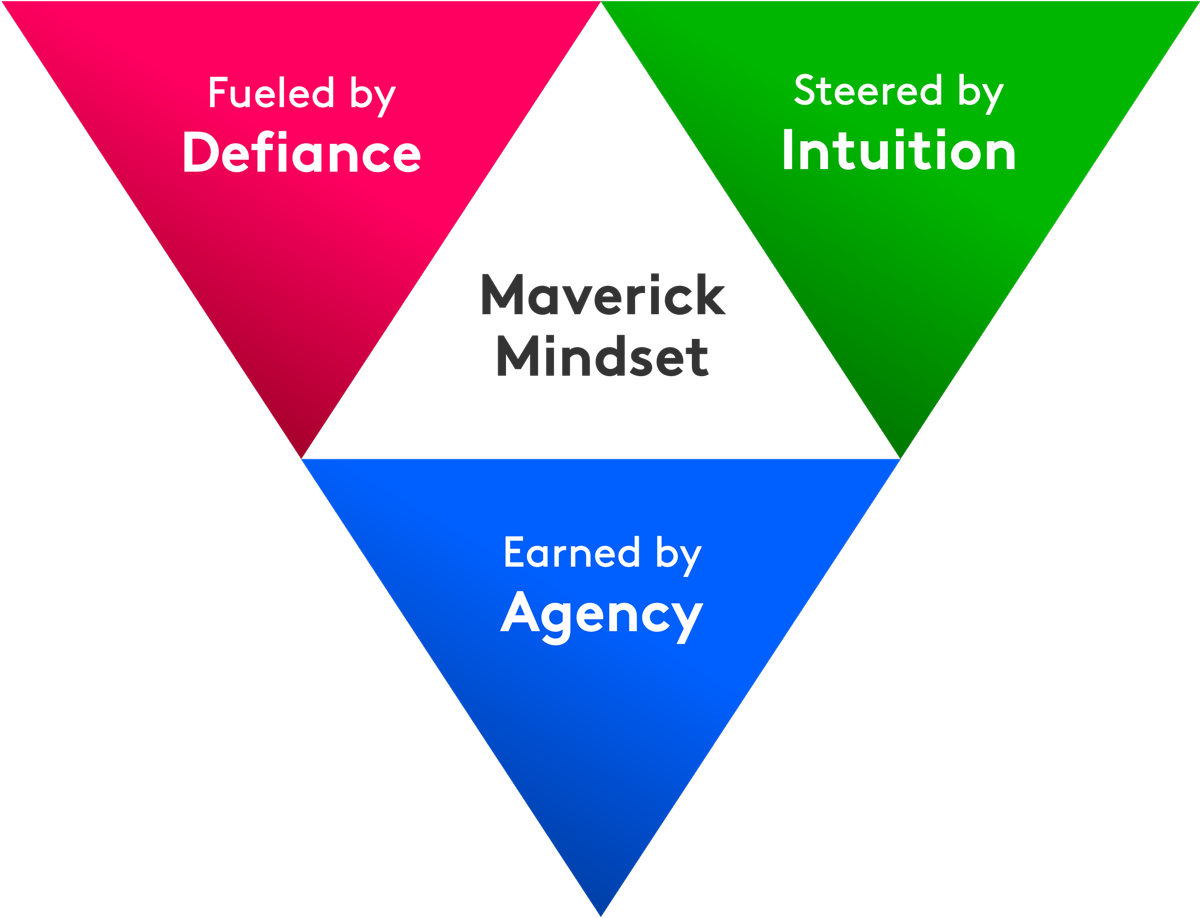
We call this the Maverick Mindset, a fierce and independent approach to the marketplace that is fueled by defiance, steered by intuition and earned through agency.

Fed up with broken systems and institutions, Americans are saying no to the status quo
Defiance is the emotional spark.
Consumers won’t put up with systems they believe are broken and unresponsive. They won’t follow conventional processes when those processes fail to produce good and fair outcomes. But broken systems and unfair outcomes are everywhere they turn. So they hack them, sidestep them or opt out altogether. They negotiate the bill, game the rewards program, reject the algorithm and assemble their own alternatives. They defy the status quo and anything that feels like business as usual.

Disoriented by so much noise and distortion, Americans are having to trust their instincts
Intuition is the navigation system.
Consumers are trying to make decisions inside an information environment overwhelmed by noise, distortion and contradiction. Expert authority has weakened. Shared reality has fractured. Clarity is scarce, and certainty is all but lost. In response, people are triangulating across professionals, peers, platforms, AI and their own lived experience, arriving at conclusions that feel personally defensible—that feel true enough to make the next decision with.

Tired of feeling put upon, Americans are looking to reassert their independence
Agency is the objective.
Consumers want to feel capable of directing their own lives, but instead they feel put upon. They want technology that expands their abilities, but instead they feel subordinated. They want health and financial systems that give them choices, and instead they feel exploited. So they are rediscovering the gratification of effort, the value of selective friction, and the empowerment of self-reliance. Because participation itself creates a sense of personal conviction, and seizing the initiative leads to a sense of personal control.
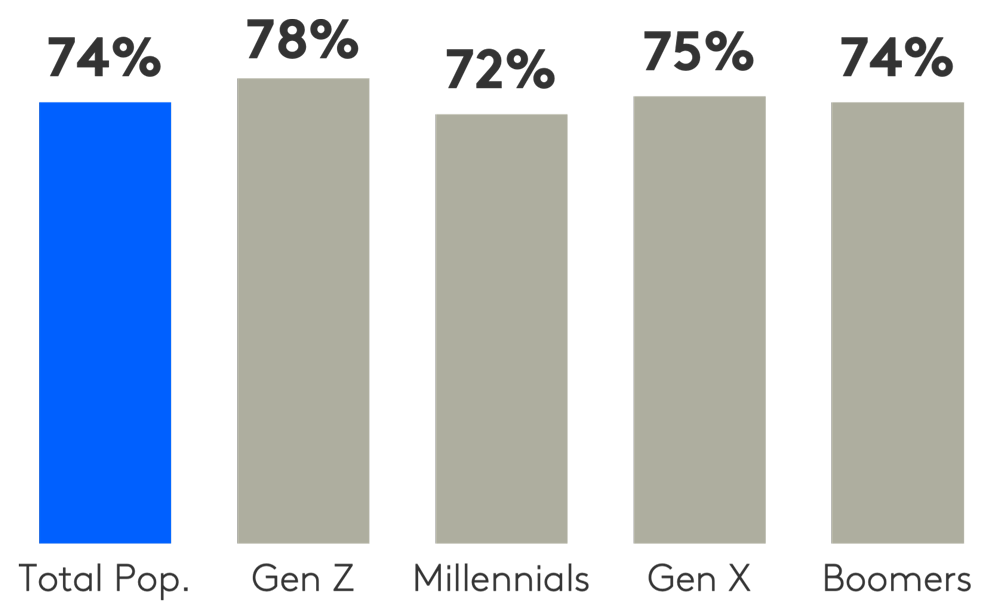
I care less about doing things the “right way” and more about getting results that work for me
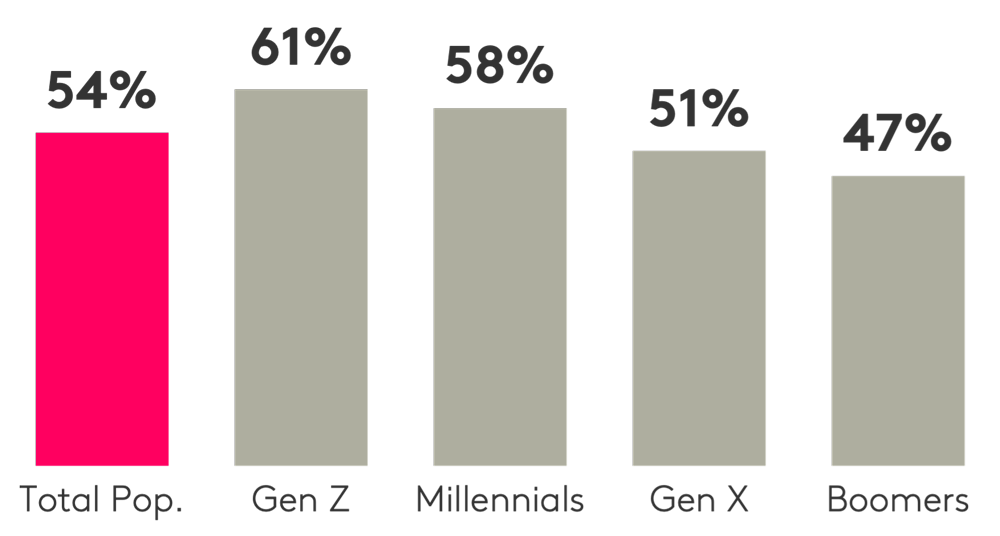
I feel like I’m on my own when it comes to figuring out what’s real or true
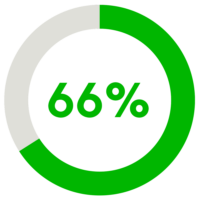
When I can, doing something the harder way often produces a better result than taking the easy route
WHAT IT LOOKS LIKE
Game the system
Circumventing the status quo with hacks and workarounds
Ghost the system
Opting out of the status quo with passive resistance
Gut the system
Subverting the status quo with wholesale reinvention
WHAT IT LOOKS LIKE
Tolerating ambiguity
Acting on instinct when consensus and shared reality are elusive
Triangulating the truth
Cross-checking multiple sources to draw trustworthy conclusions
Strategic fluidity
Embracing situational loyalties, preferences and choice
WHAT IT LOOKS LIKE
Harnessing risk
Converting volatility into opportunity with new ventures and enterprise
Finding vs. being fed
Self-directed discovery, friction-seeking, and anti-algorithmic interventions
Practical magic
Glorifying grit and elevating the status of vocational know-how
The Maverick Mindset is visible everywhere. In finances, it appears in money hacks, unconventional paths to success and anti-consumption movements that turn restraint into empowerment. In technology, it is driving resistance to surveillance, synthetic content and algorithmically determined lives. In wellbeing, it is leading consumers to build highly personal ecosystems of professional care, digital tools, alternative services, community knowledge and bodily instinct.
This does not mean consumers have rejected brands, experts or institutions. They still want help. But they increasingly expect help to come on their terms.
For brands, that changes the assignment. Empathy and fairness in the face of consumers fueled by their defiance. Authenticity and confidence in the face of consumers guided by their intuition. Empowerment and choice in the face of consumers reasserting their agency.
The brands that thrive will not try to tame the maverick. They will help people become more capable, confident authors of their own lives.